Scientific Classification
| Kingdom: Animalia |
| Phylum: Brachiopoda |
| Class: Rynchonellata |
| Order: Atrypida |
| Family: Atrypidae |
| Genus: Pseudoatrypa |
| Species: Pseudoatrypa devoniana (Webster, 1921) |
Information
Geological Range
Paleogeographic Distribution
Stratigraphic Occurrences
References
Linsley (1994): p. 191, figs 1-23.
Wilson (2014): pp. 108, 109.
Remarks
Originally described as Atrypa devoniana by Webster in 1921, in his work subdividing the massively overlumped Atrypa reticularis (Linnaeus, 1758). Recombined as Pseudoatrypa devoniana by Copper in 1973.
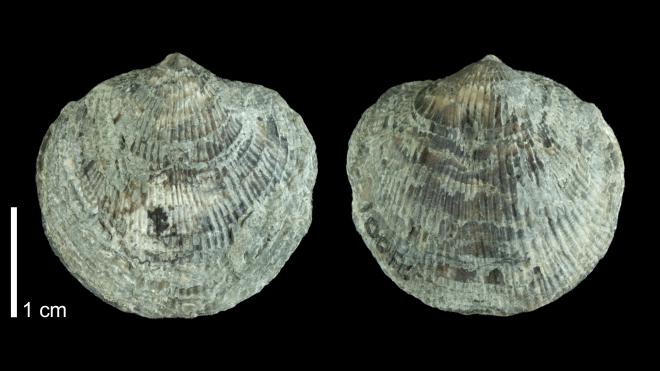
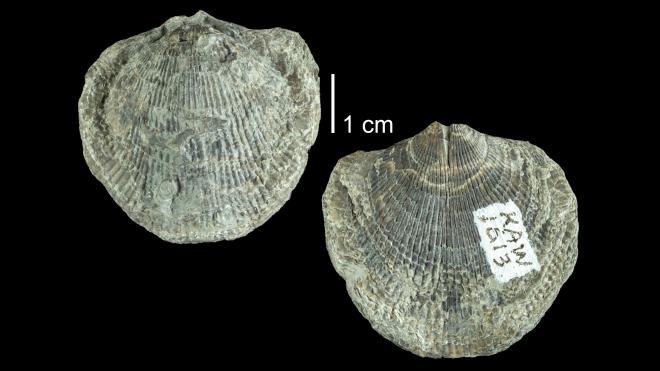
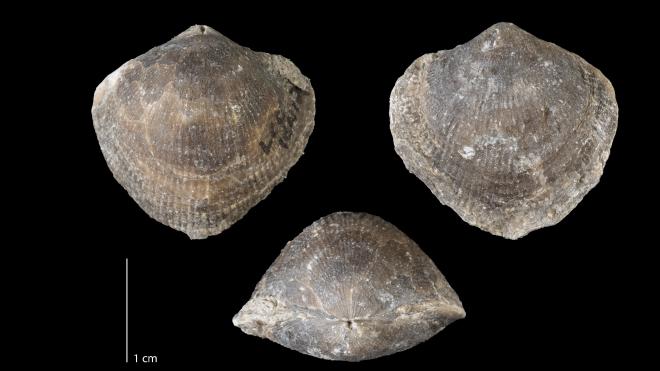
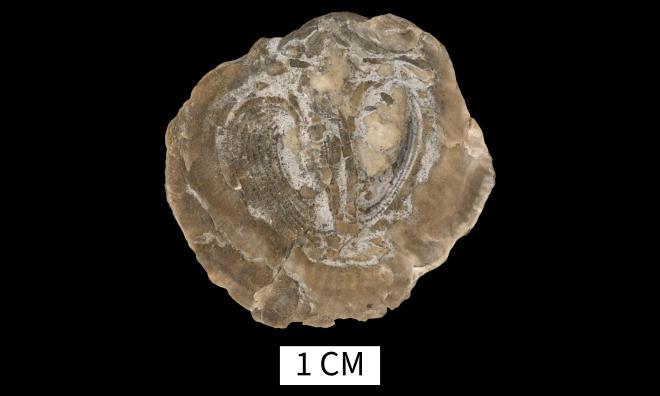
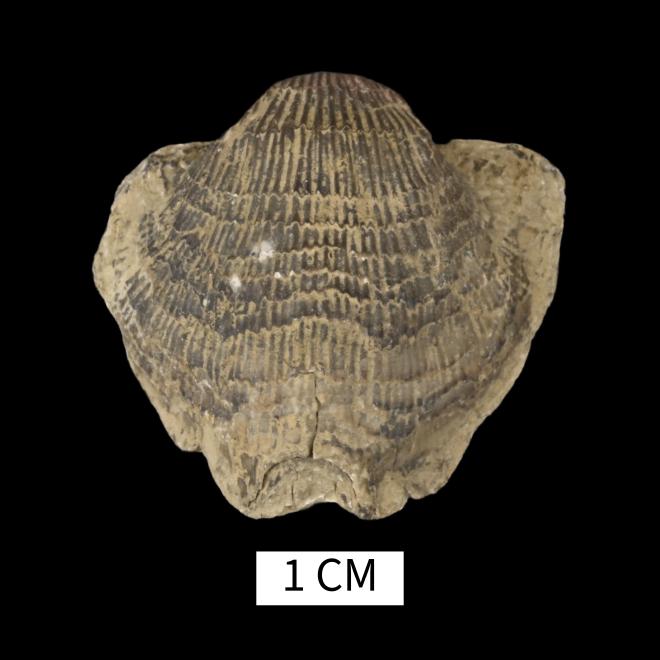
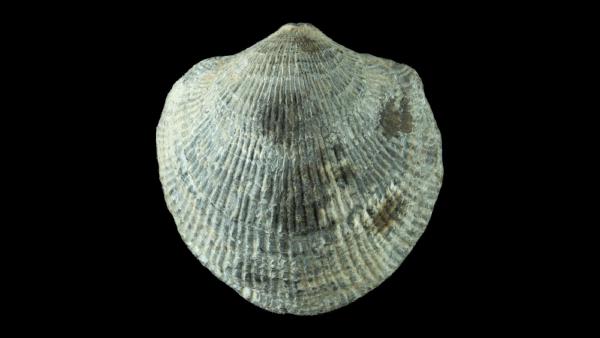
From Wilson (2014, p. 108): “Medium-sized shell, with brachial valve strongly convex, pedicle valve somewhat less so. Surface reticulated by fine plications crossed by growth lines. To 25-30 mm.”
From Carlton Brett and Gordon Baird: “Pseudoatrypa devoniana is one of the most abundant, widespread brachiopods in shallow shelf to mid depth setting even occasionally found moderately dysoxic gray shale. It is widespread in eastern North America and ranges from early Eifelian (Onondaga and equivalents) to at least late Givetian; similar forms are found in the Frasnian although atrypids as a group go extinct at the Frasnian-Famennian boundary. These brachiopods are found in nearly all limestones and calcareous shales and siltstones often associated with high diversity brachiopod and coral facies. It is an eponymous member of the Pseudoatrypa-Megastrophia (diverse brachiopod facies). But are markedly reduced in thicker siliciclastic facies. example, they are rare to absent in the Tropidoleptus-Nucleospira biofacies, for example, the Kashong Shale despite a rich brachiopod assemblage has never yielded an atrypid. This pattern suggests an inability to cope with high turbidity or sedimentation. More strikingly, this species, for all its general abundance shows curious and unexplained outages in seemingly appropriate biofacies. For example, P. devoniana is completely absent in the lower Wanakah Darien Center Submember as well as the Jaycox Member both in the Ludlowville Formation, despite the fact that these units exhibit an exceptionally high diversity of brachiopods and associations that are otherwise almost identical to those in which Pseudoatrypa is abundant. The causes of such species specific outages are unknown but likely include very specific parameters and/or disaeases. They do provide useful stratigraphic markers.”
Online Resources
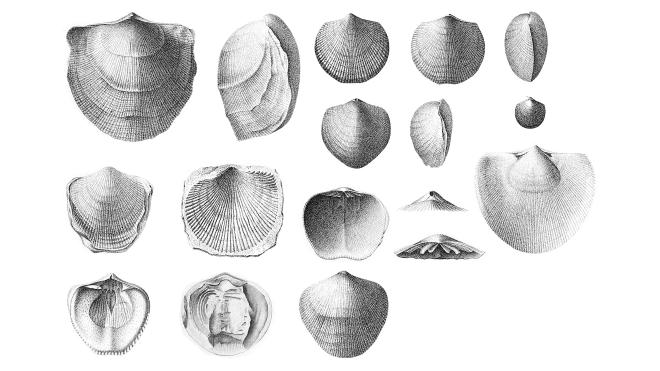
Webster’s 1921 publication describing the species.
Global Biodiversity Information Facility
Media
Images